![Selling house with foundation issues [market_city]](https://image-cdn.carrot.com/eyJidWNrZXQiOiJwcm9kdWN0aW9uLmNhcnJvdC11cGxvYWRzLm9uY2Fycm90LmNvbSIsImtleSI6InVwbG9hZHMvc2l0ZXMvODEyMTQvMjAyNi8wNS9TZWxsaW5nLWhvdXNlLXdpdGgtZm91bmRhdGlvbi1pc3N1ZXMucG5nIiwiZWRpdHMiOnsicmVzaXplIjp7IndpZHRoIjoxMTUyfSwidG9Gb3JtYXQiOiJ3ZWJwIiwid2VicCI6eyJxdWFsaXR5Ijo3MH19fQ==)

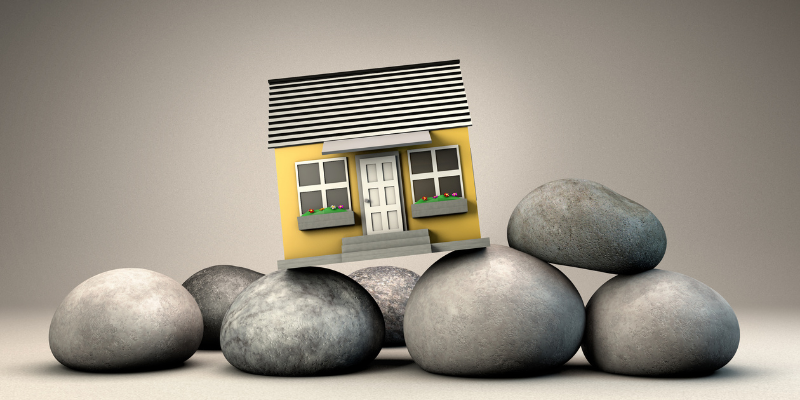
You’re standing in your kitchen when you notice it. That crack in the drywall that wasn’t there last month. The door that suddenly won’t close right. Maybe your neighbor mentions they just spent $25,000 on foundation work, and your stomach drops.
Welcome to homeownership in Texas, where our beloved clay soil has a habit of keeping foundation contractors busy year-round. I’ve been buying houses across the Lone Star State for over a decade, and I’ll tell you straight up: foundation problems don’t have to torpedo your selling plans.
Yes, you can sell your house without dumping tens of thousands into repairs first. But you’ve got to know your options and play this smart.
How to Sell a House with Foundation Problems in Texas: Complete Guide
Let me be clear about something most agents won’t tell you. Foundation problems typically reduce a home’s market value by 10% to 15%. On a $350,000 house, that’s potentially $35,000 to $52,500 off your asking price. But here’s the thing: that reduction assumes you’re going through traditional channels with finicky buyers who need perfect financing.
There’s another path. Cash buyers, investors, and companies like Grand House Buyers specialize in situations like these. They understand Texas soil, they know repair costs, and they won’t nickel-and-dime you during negotiations.
The key is understanding which route makes sense for your timeline, budget, and stress tolerance.
Texas Foundation Problems: Clay Soil and Weather Impact
North Texas clay soil creates virtually unavoidable foundation stress, with expansive clay soil making foundation problems almost inevitable for homes built on slab-on-grade construction. This isn’t your fault. It’s geology.
When we get our famous Texas droughts, that clay shrinks and pulls away from your foundation. Then the rains come (remember Harvey?), and the soil swells back up, pushing against your slab. Year after year, this cycle creates stress that eventually shows up as cracks, settling, and worse.
Dallas-Fort Worth ranks third-worst in the country for foundation problems, based on online searches for foundation repair. Houston, San Antonio, and Austin aren’t far behind. If you’ve got foundation issues, you’re in good company with thousands of other Texas homeowners.
Foundation Issues That Impact Texas Home Sales
Not all foundation problems are created equal. Cosmetic cracks, minor settlement, and small stair-step cracks in brickwork are often acceptable to leave for buyers if disclosed and priced accordingly. However, active movement, large differential settlement, bowed walls, failed structural members, or compromised foundation-bearing capacity require repair before sale to avoid liability.
Here’s what I look for when evaluating a property:
Minor issues (sellable as-is with proper pricing): Hairline cracks in walls or ceilings, small gaps around door frames, minor floor squeaks without obvious structural cause, and small stair-step cracks in exterior brick.
Major issues (typically require repair or significant price reduction): Doors and windows that won’t close properly, large cracks in foundation walls, visible foundation settlement, bowing or leaning walls, and plumbing problems caused by foundation movement.
The difference matters because it determines your selling strategy and timeline.
Getting a Professional Foundation Inspection Before Selling
Before you make any decisions about repairs or pricing, get a professional assessment. Home inspections in Texas must comply with the Texas Real Estate Commission’s Real Estate Inspector Standards of Practice (SOP) and include a foundation inspection.
But here’s where it gets tricky. A general home inspector can identify problems, but they can’t tell you exactly what repairs are needed or estimate costs. For that, you need a structural engineer.
I recommend getting both if you’re planning to list traditionally. The home inspection gives you the buyer’s perspective, while the engineer’s report provides repair specifics and costs. This documentation becomes crucial for negotiations and legal protection.
Structural Engineer Reports and Home Sale Documentation
A foundation that has been professionally repaired with full documentation and a transferable warranty experiences significantly less value impact, with many appraisers reporting that well-documented, warrantied repairs reduce value by only 2% to 5%.
If you’ve already had foundation work done, gather every piece of paperwork: original structural engineer’s report, repair contracts and invoices, permits (if required), warranty documentation, and post-repair inspection reports.
This documentation can actually become a selling point. Buyers often prefer a house with documented, warrantied foundation work over one with unknown issues lurking beneath the surface.
Foundation Repair Costs in Texas: What Sellers Need to Know
Let’s talk numbers. Texas foundation repair costs range from $5,000 to $10,000 for minor repairs and $15,000 to $25,000 for major repairs. Those are averages, though. Depending on the size of the house, you could spend $30,000 or more, which may not be recouped from the transaction’s profits.
Here’s the brutal math: The seller’s ROI on full foundation repair is often less than 100%, but repairs can increase buyer confidence, speed closing, and reduce price concessions.
Translation? You might spend $20,000 on repairs and only recover $15,000 in increased sale price. That’s why so many sellers choose alternative routes.
Foundation Repair vs Selling As-is in Texas Market
As of June 2026, Texas home prices were down from a year earlier, with a median sales price of $342,900. Homes that sold that month spent an average of 62 days on the market, and active listings stood at a 5.4 month supply. This isn’t a seller’s market that rewards waiting or hoping.
In this environment, selling as-is often makes more financial sense than gambling on repairs. In a seller’s market with many investors, leaving foundation issues as-is and marketing as a “fixer-upper” can be viable. Still, in a buyer’s market with conventional financing buyers, lenders often require repaired foundations.
Right now, we’re closer to that buyer’s market. But cash buyers and investors are still active, especially for properties priced correctly.
Pricing Your Texas Home with Known Foundation Damage

Pricing is everything when you’re selling with foundation problems. Price too high, and you’ll sit on the market while carrying costs eat into your equity. Price too low, and you’re leaving money on the table.
I typically see successful as-is sales priced 15-25% below comparable homes without foundation issues. But that’s just a starting point. The actual discount depends on: severity of the damage, local market conditions, available comparable sales, and your timeline pressure.
Remember, a quick sale at 20% below market might net you more than a full-price sale that takes six months and requires $30,000 in repairs.
Legal Disclosure Requirements for Foundation Problems in Texas
Here’s where sellers sometimes get themselves in trouble. In Texas, if you know about foundation problems (past or present), you must disclose them, including previous repairs, who did the work, when it was done, and any transferable warranty.
The official TREC Seller’s Disclosure form asks if you are aware of “Previous Structural or Roof Repair,” with foundation repair falling under structural repairs, and the TAR form directly asks about “Previous Foundation Repairs”.
Failure to disclose known problems can result in lawsuits, rescinded sales, and significant financial liability, as you are legally required to disclose foundation issues in virtually every state.
Don’t try to hide foundation problems. It never works, and the legal consequences aren’t worth the risk.
Insurance Claims and Foundation Damage Disclosure
This catches many sellers off guard. In 2019, the TREC sellers’ disclosure was expanded to include questions about flooding, water penetration, and any previously filed insurance claims relating to water damage.
If you’ve filed insurance claims related to foundation damage, water intrusion, or settling, you must disclose those claims. Buyers can still pull CLUE reports showing your insurance history, so transparency is your best protection.
Real Estate Agent Selection for Problem Foundation Sales
Not every agent knows how to handle foundation issues effectively. You want someone who understands Texas soil conditions, has experience with as-is sales, knows local foundation contractors and repair costs, can recommend qualified inspectors and engineers, and won’t panic when issues come up during negotiations.
Ask potential agents specifically about their experience with foundation problems. If they start talking about “hiding” issues or seem uncomfortable with disclosure requirements, find someone else.
Marketing Strategies for Homes with Foundation Issues
Here is something you rarely hear from a listing agent: traditional MLS marketing often doesn’t work well for homes with significant foundation problems. Houses with foundation problems can be very tough to sell on the open market, as typical residential buyers don’t want to deal with such serious repairs.
Your best marketing targets are real estate investors, house flippers, cash buying companies, contractors looking for projects, and first-time buyers with renovation loan programs.
Companies like Grand House Buyers specialize in these situations and can often close in 2 weeks rather than 2 months. The clay soils southeast of Houston keep slabs on the move, which is why we buy houses in Pasadena and work as cash home buyers in Pearland whatever shape the foundation is in.
Buyer Financing Challenges with Foundation Issues
Here’s the reality check: FHA and many conventional loans require a sound foundation; significant foundation defects commonly disqualify conventional financing, meaning buyers may need cash or renovation loans, which narrows the pool and may reduce prices.
For something major like foundation problems, buyers usually can’t obtain financing until the repairs are completed, as traditional mortgages require foundation problems to be fixed.
This financing reality is why cash sales often make sense for both parties. The buyer avoids loan complications, and you avoid repair requirements.
Cash Buyers vs Traditional Buyers for Foundation-damaged Homes
Let me break down the math for you. Traditional buyers typically want professional inspections, repair estimates, negotiations over who pays for what, loan approval contingencies, and extended closing timelines.
Cash buyers offer quick closings (often 2-3 weeks), no financing contingencies, no repair requirements, and certainty of closing.
While cash buyers’ offered price might be lower than market value due to repair costs and their aim to turn a profit, they don’t charge commissions and may even cover closing expenses.
Alternative Selling Methods: Investors and House Flippers
I’ve worked with hundreds of investors over the years. The good ones are straightforward: they’ll assess your property, calculate repair costs, factor in their profit margin, and make you a fair offer based on those numbers.
Property renovators and cash-for-homes companies may still show interest even if repairs are required, providing an avenue for a sale.
When evaluating investor offers, look for proof of funds or financing pre-approval, local references from other sellers, clear, written offers with minimal contingencies, and reasonable closing timelines.
Avoid investors who want earnest money up front or ask you to pay for inspections.
Negotiating Repairs vs Price Reductions with Texas Buyers
Buyers may negotiate repairs or credits with the seller if issues are found during inspection, or they may choose to walk away from the sale.
When negotiations start, you’ve got three main options: Make the repairs yourself (gives you control over quality and costs), offer a credit at closing (lets the buyer handle repairs their way), or reduce the price (simplest option, no repair hassles).
I usually recommend price reductions over repair credits. It’s cleaner, faster, and eliminates post-closing disputes about repair quality.
Timeline Expectations for Selling Foundation-damaged Properties

Traditional sales with foundation issues typically take longer than average. With foundation problems, expect to add 2 to 4 weeks to the statewide timeline above.
Cash sales move much faster. I’ve seen transactions close in 10 days when both parties are motivated, and the property is priced right.
Your timeline often determines the best way to sell. If you need to move quickly for a job relocation or financial reasons, cash buyers usually make more sense than hoping for the perfect traditional buyer.
Frequently Asked Questions
How Difficult Is It to Sell a House with Foundation Problems?
Selling with foundation issues is definitely more challenging than selling a perfect house, but it’s far from impossible. The key is pricing correctly and targeting the right buyers. Cash buyers and investors deal with these situations regularly and won’t be scared off by foundation problems the way traditional buyers might.
What Are the Worst Months for Selling a House in Texas?
Generally, November through February sees the slowest activity in Texas real estate markets. However, cash buyers and investors are active year-round, so if you’re selling as-is, seasonal timing matters less than pricing and condition disclosure.
What Reduces a House’s Value the Most?
Foundation problems are definitely among the top value-killers, along with major electrical or plumbing issues, roof problems, and environmental hazards such as mold or flooding. However, the impact varies significantly based on local market conditions and the severity of the issue.
Do You Have to Disclose Foundation Issues When Selling in Texas?
Absolutely yes. Texas law requires disclosure of known foundation problems, whether current or previously repaired. This includes structural repairs, foundation work, and any related warranty information. Failing to disclose can result in serious legal consequences even after closing.
Look, selling a house with foundation problems fast in Texas isn’t anyone’s first choice. But it doesn’t have to be a disaster either. I’ve seen sellers walk away with fair prices and move on with their lives, rather than get stuck in repair nightmares that drag on for months.
The key is being honest about your situation, understanding your options, and choosing the path that makes sense for your timeline and financial goals. Whether that’s working with a traditional agent, selling to an investor, or connecting with a company like Grand House Buyers, there’s a solution that works for you. Grand House Buyers helps homeowners across Texas, including Houston, TX, and nearby cities, sell their houses fast for cash, with no repairs, no commissions, and no drawn-out closing timelines.
If you want to talk through your specific situation, we’re here. No pressure, no obligation. Sometimes it helps just to get a straight answer about what your house is worth as-is and what your real options are. Contact us at (409) 916-7303 today!
Helpful Texas Blog Articles
- How to Sell a House When Going Through a Divorce in Texas
- Does a Seller Pay Closing Costs in Texas?
- Selling a House That Needs Repairs in Texas
- Can You Sell a House with Tenants in Texas?
- How To Sell Your Texas Home With Foundation Problems
- Selling a House With Water Damage in Texas
- How To Sell A Hoarder House in Texas
- Sell A Fire-Damaged House in Texas
- Can You Sell a House As-Is Without an Inspection
- Documents Required for Selling Inherited Property