

Harvey? I’ve bought hundreds of houses across Texas through Grand House Buyers, and I can tell you one thing: water damage doesn’t have to be the end of your homeownership story.
Water damage happens. It’s a fact of life in Texas, where we deal with everything from Gulf Coast hurricanes to sudden spring storms that can dump inches of rain in hours. But selling a water-damaged house doesn’t have to be a nightmare if you understand your options and the legal landscape.
Understanding Texas Real Estate Laws for Damaged Home Sales
Texas disclosure laws generally require sellers to disclose known defects. If you were genuinely unaware of water damage, you typically wouldn’t be liable for failing to disclose it. But here’s something many sellers may not realize: claiming ignorance rarely works as a defense if the damage was obvious.
In Texas, sellers of single-unit residential properties must provide buyers with a “Seller’s Disclosure Notice” due to the Texas Property Code § 5.008. The Texas Real Estate Commission (TREC) promulgates the form, which is the standard document for Texas real estate agents and attorneys.
This isn’t optional paperwork. The Texas Deceptive Trade Practices Act (DTPA) forms a cornerstone of consumer protection in the state, prohibiting deceptive practices in trade and commerce. While the DTPA doesn’t specifically mention water damage, it broadly covers misrepresentations and failures to disclose known material facts. Concealing significant water damage would certainly qualify as a deceptive act under this law, potentially exposing sellers to substantial legal liability.
I’ve seen sellers in Houston try to hide flood history only to face lawsuits months later. Transparency protects you more than secrecy.
Flood Zone Classifications and Property Value Impact in Texas Properties
Texas sits at the intersection of multiple weather patterns, making flood zones a critical factor in property values. According to recent reports, homes with flood damage in Texas can see a decrease in value by 15-20%. This means that a house worth $300,000 could potentially lose $45,000-$60,000 in value due to flood damage.
FEMA flood zone classifications directly impact your property’s marketability and insurance requirements. Properties in high-risk zones (like AE or VE zones) require flood insurance for most mortgage loans. But here’s something interesting: Most research on historical data agrees there is generally anywhere from a 10 percent to 30 percent drop in values after a significant flooding event. A May 2016 report entitled “Impact of Flooding on Residential Property Values: A Review and Analysis of Previous Studies” revealed that flood-prone areas are attractive for development for several reasons, including readily available water, power production, ambiance, and transportation, such as ports.
Areas like Galveston Bay, the Brazos River corridor, and parts of Harris County see different impacts based on their specific flood zone designations. Properties in Kingwood, for example, face different challenges than those in downtown Austin.
Water Damage Assessment and Documentation for Texas Home Sales
Before you can sell, you need to understand exactly what you’re dealing with. Water damage isn’t just about visible stains or warped flooring. It’s about structural integrity, mold potential, and long-term habitability.
Start with the obvious signs: discolored walls, musty odors, warped floors, or water stains on ceilings. But don’t stop there. Check crawl spaces, basements, and attics. Look behind appliances and in utility closets. Mold remediation and other water damage treatments need to be done right away to make sure that your home can be returned to a safe and livable condition after the flood. The sooner that you get a team on-site to take care of the water damage and start remediating related damages, the more likely it is that you can minimize damage to your home.
Document everything with photos and detailed notes. Include dates if you know them. This documentation becomes crucial for insurance claims, contractor estimates, and buyer disclosures.
Professional Water Damage Inspection Services and Reports
Getting a professional assessment protects you legally and financially. A certified inspector can identify problems you might miss and provide the documentation needed for proper disclosure.
In Texas, look for inspectors certified by the Institute of Inspection, Cleaning and Restoration Certification (IICRC) or similar organizations. They’ll check moisture levels, structural integrity, and potential mold growth. Expect to pay $300-$800 for a comprehensive assessment, but this investment can save thousands in legal headaches later.
Professional reports also help you understand repair costs upfront. Water damage restoration can range in cost from $400 to $100,000. If you have placed your home on the market and extensive water damage is discovered during the inspection process related to the sale, you might lose thousands of dollars on your sale. In some cases, if the damage is really significant, the buyer might walk away from the sale.
Foundation Issues Related to Water Damage in Texas Properties
Texas clay soil creates unique challenges for water-damaged properties. Our expansive clay swells when wet and contracts when dry, creating foundation movement that can compound water-damage issues.
Look for cracks in foundation walls, uneven floors, doors that don’t close properly, or gaps around windows. These signs often indicate that water has affected your foundation’s stability. In areas like Dallas-Fort Worth, where clay soil is particularly problematic, foundation issues can add $10,000-$30,000 to repair costs.
If your home sits in areas like Richardson, Plano, or parts of San Antonio, foundation concerns become even more critical. Buyers in these markets are especially wary of foundation problems because they understand the ongoing costs.
Structural Damage Evaluation and Repair Cost Estimates
Structural damage from water goes beyond cosmetic issues. It affects your home’s safety and habitability. Load-bearing walls, floor joists, and roof trusses can all suffer from prolonged water exposure.
Get estimates from licensed structural engineers, not just general contractors. Engineers can determine if damage affects structural integrity and what repairs are necessary for safety. This documentation becomes essential for disclosure and helps you make informed decisions about repairs versus selling as-is.
In my experience buying homes across Texas, structural repairs typically cost 2-3 times the initial estimates once work begins. Budget accordingly if you choose the repair route.
Electrical System Safety Concerns After Water Damage
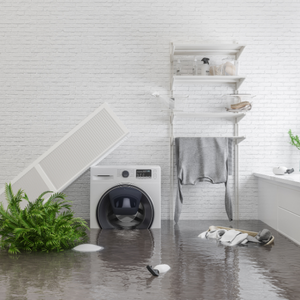
Water and electricity don’t mix, and Texas building codes reflect this reality. Any electrical system exposed to water needs professional evaluation before the home can be safely occupied or sold.
Check your electrical panel for signs of water intrusion. Look for rust, corrosion, or water stains. Outlets near water sources need special attention. GFCI outlets should be tested and potentially replaced after water exposure.
Bathtubs and showers are often involved in long-term water damage since they can suffer from damage to their seals or plumbing issues that can impact the floor spaces beneath them or the walls around them. This is often a safety risk as well as a water damage risk due to black mold growth. There are also sometimes problems with broken electrical fixtures in bathrooms related to slow water leaks that can lead to a house fire if they are not attended to promptly.
Electrical repairs after water damage typically run $1,500-$5,000, depending on the extent of exposure. But safety comes first; never compromise on electrical issues.
Plumbing Infrastructure Damage and Repair Documentation
Plumbing problems often cause water damage, but water damage can also create new plumbing issues. Shifting foundations can break pipes. Flooding can contaminate water lines. Frozen pipes can burst and cause secondary damage.
Document all plumbing-related issues thoroughly. Include the original cause (burst pipe, storm damage, appliance failure), affected areas, and repair history. Buyers want to understand not just what happened, but why it happened and whether it’s likely to recur.
Keep receipts for all plumbing repairs. Professional documentation shows buyers that issues were addressed properly and may help maintain your home’s value.
HVAC System Damage Assessment and Replacement Considerations
HVAC systems are particularly vulnerable to water damage. Ductwork can harbor mold. Units can corrode. Air quality can become compromised.
If your HVAC system was affected by water, have it professionally cleaned and inspected. Contaminated ductwork needs cleaning or replacement. Units that were submerged typically need complete replacement.
In Texas heat, a compromised HVAC system isn’t just uncomfortable; it’s potentially dangerous. Don’t cut corners on HVAC repairs or documentation.
Mold Remediation Requirements Before Selling Your Texas Home
Texas humidity creates perfect conditions for mold growth after water damage. Lingering moisture after a water damage event can promote microbial growth inside your house. What’s worse is that mold will continue to grow and spread to the other parts of your home unless the contamination is contained and the moisture problem is addressed.
Professional mold remediation isn’t optional if you want to sell successfully. Mold removal is another expensive problem to fix after a water damage event. Professionals usually charge $10 and $25 per square foot, so treating a 100-square-foot area can cost around $1,000 to $2,500.
But here’s the thing: trying to sell a house with mold problems will cost you more in the long run. Buyers will discover it during inspections, and you’ll face much larger negotiations or complete deal failures.
Insurance Claims History and Water Damage Documentation
Your insurance claims history follows your property, not just you as the owner. The form also now asks about prior insurance claims filed specifically for flood damage as well (Section 6) or if the seller has received any previous assistance for water damage from FEMA or the SBA (Section 7).
Gather all documentation related to insurance claims: initial claim reports, adjuster notes, repair estimates, and final settlements. This information must be disclosed to potential buyers and helps them understand the property’s history.
Be honest about claim outcomes. If your insurance company denied a claim, explain why. If they paid for repairs, document what was fixed and by whom. Transparency builds trust and protects you legally.
Professional Remediation Certificates and Warranty Documentation
Professional remediation companies provide certificates of completion and warranties on their work. These documents are gold for selling a water-damaged property.
Certificates show buyers that problems were addressed professionally and completely. Warranties provide peace of mind about the quality of repairs. Keep these documents organized and readily available for potential buyers.
If you’re working with a company like Grand House Buyers, they understand the value of proper documentation and can help you navigate these requirements.
Legal Disclosure Requirements for Water-Damaged Properties in Texas
However, the “as-is” clause doesn’t waive your legal obligation to disclose known material defects, including water damage. Think of it like selling a used car “as-is.” You don’t have to fix the squeaky brakes before selling, but you can’t tell the buyer they’re in perfect condition if you know they’re not. The same principle applies to your home. You can sell it without fixing the water-stained ceiling, but you can’t claim there’s never been a leak if you know otherwise.
This is crucial: selling “as-is” doesn’t eliminate disclosure requirements. You still must tell buyers about known water damage, even if you’re not fixing it.
In Texas, the TREC Seller’s Disclosure form asks you if you are aware of any previous “water penetration” (Section 3) or “previous flooding” (Section 5). The TAR Seller’s Disclosure form also asks about “Water Penetration” but gets a bit more specific by asking about previous flooding issues, by asking you to disclose “Previous Flooding into the Structures” and “Previous Flooding onto the Property.” Note that water penetration is not limited to flooding from rising water levels on the ground in a weather event. Water penetration can also include roof failures or pipe bursts that allow water to leak into or damage your home.
The law is clear: disclose what you know. Period.
Pricing Strategies for Water-Damaged Homes in Texas Markets
Pricing a water-damaged home requires understanding current market conditions and buyer psychology. For September 2025, the data paints an unexpected picture: September home sales surged 7.3% year-over-year (YoY). The Home Price Index dropped 0.8% YoY. Active inventory shot up a staggering 20.2% YoY.
With increased inventory and pricing pressure, water-damaged homes face additional challenges. In 2025 through 2026, the Texas metros have been inching closer to being buyer’s markets, with most homes selling within 2% to 3% of the last list price. Homes are selling within 95% to 98% of the median list price in Texas metros.
Price aggressively if you’re listing traditionally. Buyers have choices, and they’ll use water damage as a negotiation tool. Consider pricing 10-20% below comparable properties to account for perceived risk and repair costs.
Alternatively, cash buyers like We Buy Houses In Houston, Texas, eliminate pricing guesswork by making offers based on current condition and market realities.
Marketing Water-Damaged Properties to Investors and Contractors
Traditional buyers often shy away from water-damaged properties, but investors and contractors see opportunity. These buyers understand repair costs and aren’t scared by disclosure forms.
Market to this audience differently. Emphasize potential rather than problems. Highlight good bones, solid location, and investment opportunity. Provide detailed repair estimates and documentation to help them evaluate the deal quickly.
Investors appreciate honesty and thorough documentation. They’re not looking for perfect houses; they’re looking for profitable projects.
Buyer Education and Transparency in Water Damage Sales
Educating buyers about your property’s history builds trust and reduces liability. Explain what happened, when it happened, and what you’ve done about it.
Create a comprehensive disclosure package including professional reports, repair documentation, and insurance information. This transparency demonstrates good faith and helps serious buyers make informed decisions.
Don’t hide behind legal minimums. Provide more information than required. It protects you legally and helps the right buyer feel confident about their purchase.
Strategies for Negotiating Water-Problem Properties
Expect water damage negotiations to dominate. Buyers want credits, repairs, or discounts. Get professional estimates and document all issues.
Provide a home warranty or set aside escrow funds for issues. These gestures show good faith and can keep deals together when buyers fear water damage.
Being realistic about your position. Recent reports suggest Texas flood-damaged homes lose 15-20% of their value. Flood damage could devalue a $300,000 house by $45,000–$60,000. Flood-prone properties may also take longer to sell. Flood-damaged homeowners must know these numbers and plan accordingly to sell their homes.
Timeline Considerations for Selling Water-Damaged Texas Homes
Homes with water damage stay on the market longer than homes in ***mint*** condition. In Texas, homes were on the market for a median of 82 days with a 12% year-over-year increase. Your home will likely be on the market for longer than the typical length.
You should add time for professional evaluations. Potential buyers will be conducting a lot of their own evaluations, especially with water damage, and will have to acquire special funding.
If you need to sell your home in a shorter timeframe, a direct sale may be necessary. Companies will purchase homes with damage and will be able to close the sale in a shorter timeframe than with a traditional sale.
Closing Process Complications and Solutions for Damaged Properties

Water-damaged properties can create closing complications. Lenders may require additional inspections or repairs before approving loans. Title companies may flag disclosure issues.
Work with experienced professionals who understand these challenges. Real estate experts familiar with water damage sales, attorneys who specialize in property law, and lenders who work with distressed properties.
Have backup plans ready. If traditional financing falls through, be prepared to work with cash buyers or owner financing arrangements.
Alternative Exit Strategies for Texas Homeowners
Sometimes traditional sales aren’t practical for water-damaged properties. Consider these alternatives:
- Direct Cash Sales: Companies that buy homes in Texas specialize in purchasing damaged properties quickly and without repair requirements.
- Investor Networks: Connect with local real estate investment groups who actively seek properties needing work.
- Auction Sales: Real estate auctions can generate competitive bidding among investors and contractors.
- Owner Financing: Offer financing directly to buyers who might not qualify for traditional loans due to property condition.
Each option has different timelines, costs, and outcomes. Evaluate based on your specific situation and priorities.
Frequently Asked Questions
What Are the Worst Months for Selling a House in Texas?
Winter months, particularly December through February, typically see slower sales activity in Texas real estate markets. However, water-damaged properties may actually benefit from off-season sales when there’s less competition and buyers are more serious about closing deals.
How Much Does Water Damage Decrease Home Value in Texas?
Water damage typically decreases home value by 15-20% in Texas markets, though this can vary based on severity, location, and local market conditions. Properties in flood-prone areas like Houston or areas near the Gulf Coast may see larger impacts than those in drier regions like West Texas.
What Should I Not Fix Before Selling a House with Water Damage?
Don’t attempt major structural repairs or electrical work yourself, as improper fixes can create liability issues and turn off buyers. Focus on professional documentation and safety issues rather than cosmetic repairs that might not add value. Sometimes it’s better to sell as-is and let the buyer handle improvements.
What Is the Most Common Reason a Property with Water Damage Fails to Sell?
Poor disclosure practices are the biggest reason water-damaged properties fail to sell successfully. Buyers discover undisclosed issues during inspections, leading to deal failures, legal problems, or significant price reductions. Transparency from the beginning prevents most sale failures.
Selling a Texas water-damaged house isn’t impossible. It complicates timelines and price expectations. However, with disclosure, realistic pricing, and the right buyer, you can proceed.
Countless homeowners worry their house is unsellable due to water damage. Simply not true. Every property has a buyer at the right price and terms. Knowing your options and picking the best one is key.
Making an informed decision based on facts, not fear, is most important whether you repair and list traditionally, sell as-is to an investor, or work with a direct buyer.
Contact Grand House Buyers to discuss your situation. We’re here to help with no pressure or obligation, just honest advice from someone who’s bought houses in Texas for years and understands your situation.
Helpful Texas Blog Articles
- How to Sell a House When Going Through a Divorce in Texas
- Does a Seller Pay Closing Costs in Texas?
- Selling a House That Needs Repairs in Texas
- Can You Sell a House with Tenants in Texas?
- How To Sell Your Texas Home With Foundation Problems
- Selling a House With Water Damage in Texas
- How To Sell A Hoarder House in Texas
- Sell A Fire-Damaged House in Texas
- Can You Sell a House As-Is Without an Inspection
- Documents Required for Selling Inherited Property